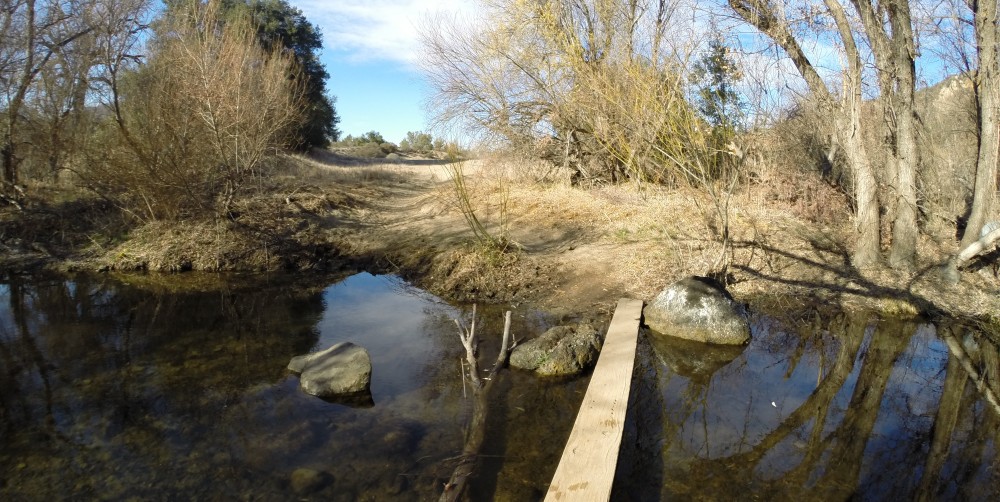

“What do you think of the messiness of being human?” This inquiry came across my computer screen the other day. Part of my reply was, “the messiness is the topography. The contour lines that distinguish my map from yours”. It was a written reply and I have not heard back. I am not sure how it landed. Perhaps defining messiness would have been a good first step.
The primary theme of my research is how human induced disturbance (clear-cutting forests) affects animal communities (yes, ants are animals). In essence, I study nature’s messiness. Messiness is the result of disturbance. And messiness leaves a quantifiable (maybe qualifiable) mark. When it comes to ant communities, we are not entirely sure what that mark looks like and if it is consistent across species. What I have realized though, is that nature and humans have very different ways of dealing with messiness. To begin with, we define it. Then all too often we define ourselves by its presence in our lives.
Nature, on the other hand, manages to include messiness as a part of soul, artwork and landscape. As observers, we appreciate the results of subduction, avalanches, fires, and floods. Disturbances. Messiness. Nature makes no attempt to cover anything up or hide what might be perceived as a negative trait. It just sits there, having pulled back the curtain on a magnificent, perhaps slightly absurd, show. Not asking for your applause. And it thrives in the face of whatever happens.
For example, there are a number of plants species that will not start to germinate without first being subject to some sort of disturbance. The seeds of the Victoria ash (Eucalyptus regnans) have a hard, woody coating that requires fire in order to begin the process of germination (development and growth). The seeds of the Flanders poppy (Papaver rhoeas) requires soil be turned over in order to break free of diapause (prolonged period of no growth). In Belgium, during World War I, Flanders poppies grew between the trench lines of the French and the Germans; a result of artillery fire and constant upheaval. So dense were the fields at times that the flower is now used to symbolize the memorial and remembrance of dead soldiers.
And it strikes me that there is a good lesson in here. Aside from the obvious war sucks, I would argue that messiness (again, disturbance has to happen first) can function as a powerful catalyst for growth. We needn’t hide from it or hide its presence. Nor do we need to proselytize. But the messiness, like a unique set of numbers or genetic code, can set us apart, make us individual. It can also bring us together to appreciate the cartography of a common landscape. The fun is in aligning the maps.
 eco.log.y